
What Is the Best Height to Install a Range Hood? A Complete Guide for Greater Toronto Homeowners
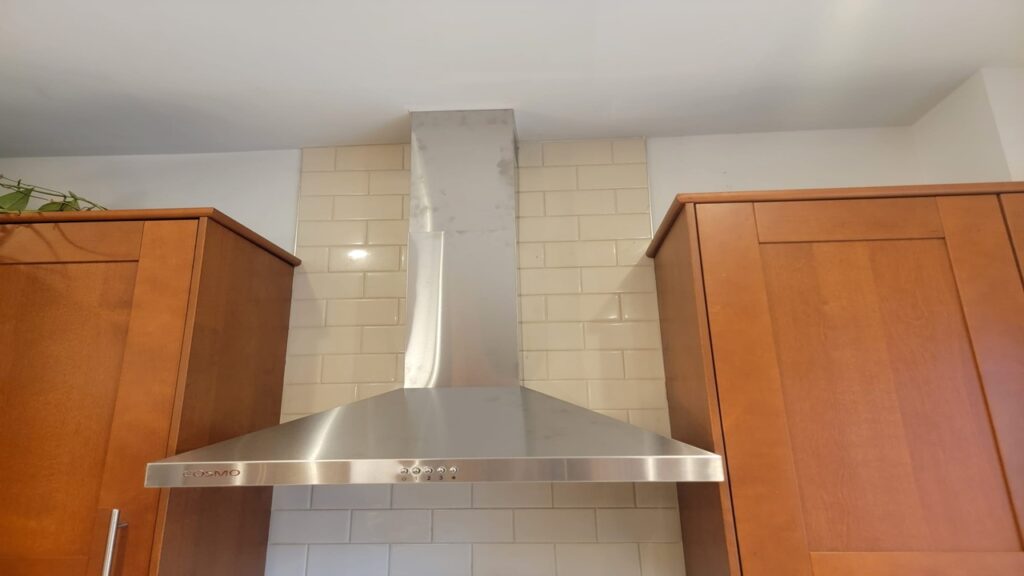
Installing a range hood at the correct height is one of the most important parts of creating a safe and efficient kitchen. Even the best range hood cannot perform well if it is mounted too high or too low.
If the hood sits too close to your cooktop, it may interfere with cooking and expose the appliance to excessive heat. If it is installed too high, it may not capture smoke, steam, grease, and cooking odors effectively.
So, what is the best height to install a range hood?
For most residential kitchens, the recommended installation height is typically within the manufacturer’s specified range, which commonly falls around 24 to 30 inches above the cooking surface. Always follow the installation instructions provided with your specific range hood model, as recommendations can vary.
If you’re planning a range hood installation in Greater Toronto, understanding the correct mounting height will help you achieve better ventilation, improved performance, and a cleaner kitchen.
Quick Answer
The best height to install a range hood depends on the manufacturer’s recommendations and your cooktop type. For many residential range hoods, installation commonly falls between 24 and 30 inches above the cooking surface. Always follow the manufacturer’s installation guide and have the system professionally installed for the best performance.
Why Installation Height Matters
Many homeowners focus on choosing the right style of range hood but overlook its mounting height.
In reality, installation height affects almost every aspect of your kitchen ventilation.
A correctly positioned range hood helps:
- Capture smoke more effectively
- Remove cooking odors faster
- Reduce grease buildup on cabinets
- Improve indoor air quality
- Increase airflow efficiency
- Make cooking more comfortable
A few inches can make a noticeable difference in how well your range hood performs.
What Happens If the Range Hood Is Too Low?
A hood installed too close to the cooktop can create several problems.
Reduced Cooking Space
You may find it difficult to use large pots or stockpots comfortably.
Excess Heat Exposure
The hood is exposed to higher temperatures during cooking.
Over time, excessive heat may affect certain components or finishes, depending on the model.
Limited Visibility
A low-mounted hood can partially block your view while cooking.
This is especially noticeable in smaller kitchens.
Safety Concerns
Improper installation can increase the risk of heat-related issues. Following the manufacturer’s instructions helps reduce these risks.
What Happens If the Range Hood Is Too High?
Some homeowners assume higher is better.
Unfortunately, that’s usually not the case.
When a range hood is mounted too high, smoke and steam can spread before they reach the hood.
This often results in:
- Smoke escaping into the room
- Cooking odors lingering longer
- Grease settling on cabinets
- Reduced airflow efficiency
- More frequent cleaning
Proper height allows the hood to capture airborne particles before they spread throughout the kitchen.
Recommended Installation Heights by Range Hood Type
Different styles of range hoods may have different installation recommendations.
Always consult the product documentation for your specific model.
Wall Mount Range Hood
Wall-mounted range hoods are one of the most popular choices in modern kitchens.
They work well in open-concept homes and provide strong ventilation when installed correctly.
Professional installers carefully position the hood to balance airflow, accessibility, and appearance.
Under Cabinet Range Hood
Under cabinet range hoods fit beneath existing cabinets.
Because cabinet space can affect installation, accurate measurements are essential.
Proper placement helps maximize ventilation while maintaining convenient access to your cabinets.
Chimney Range Hood
Chimney-style range hoods are often taller than standard wall-mounted models.
Their decorative chimney section requires careful planning to maintain both performance and visual balance.
Island Range Hood
Island range hoods are suspended from the ceiling.
These installations require precise positioning over the cooking surface.
Because island hoods are surrounded by open air, correct height becomes even more important for effective smoke capture.
Does Your Stove Type Matter?
Yes.
The type of cooktop can influence installation recommendations.
Gas Cooktops
Gas cooking often produces more heat and combustion by-products than electric cooking.
For this reason, manufacturers may recommend different mounting heights depending on the model.
Always follow the instructions provided with your appliance and range hood.
Electric Cooktops
Electric cooktops generally produce less open heat.
However, proper installation height is still important for capturing steam, smoke, and grease effectively.
Other Factors That Affect Installation Height
Every kitchen is different.
A professional installer considers several factors before mounting a range hood.
Ceiling Height
Homes with high ceilings may require chimney extensions or other installation adjustments.
Cabinet Design
Custom cabinetry can influence where the hood can be installed while maintaining proper clearances.
Hood Size
Larger range hoods may require different placement considerations than compact models.
Ventilation Design
The routing of ductwork may affect the final installation position.
An experienced installer plans the vent path before beginning the installation.
Common Installation Mistakes
Many installation problems begin with incorrect measurements.
Avoid these common mistakes:
- Installing without reading the manufacturer’s instructions
- Measuring from the countertop instead of the cooking surface
- Choosing appearance over performance
- Ignoring ceiling height
- Using the wrong hood size
- Skipping professional installation
Taking time to plan the installation helps improve long-term performance.
Why This Matters for Greater Toronto Homes
Homes across Toronto, Mississauga, Brampton, Vaughan, Richmond Hill, Oakville, Milton, Burlington, North York, Etobicoke, Markham, Oshawa, Waterloo, Kitchener, Guelph, Georgetown, Stoney Creek, Caledon, Hamilton, and Woodbridge vary in age, layout, and kitchen design.
Older homes may have lower ceilings or unique framing, while newer homes often feature open-concept kitchens and larger cooking areas.
Because every home is different, a professional assessment helps determine the best installation height for your specific kitchen, ensuring your range hood performs as intended.
How Professionals Determine the Best Installation Height
Every kitchen is different. That’s why professional installers don’t rely on one measurement for every project.
Instead, they evaluate several factors before mounting the range hood.
1. The Manufacturer’s Installation Guide
The first step is always checking the manufacturer’s instructions.
Different brands and models have different recommendations based on:
- Fan capacity
- Hood design
- Airflow performance
- Heat resistance
- Ventilation system
Following these recommendations helps ensure the range hood performs as designed.
2. The Type of Range Hood
The installation approach varies depending on the style of hood.
Wall Mount Range Hoods
Wall-mounted models often become a focal point in the kitchen. The installer positions the hood so it captures smoke effectively while maintaining a balanced appearance.
Under Cabinet Range Hoods
These models fit beneath upper cabinets. The installer checks cabinet depth, available space, and vent routing before selecting the final mounting position.
Chimney Range Hoods
Chimney hoods require extra planning because the chimney section extends toward the ceiling. Proper placement helps maintain both ventilation performance and visual appeal.
Island Range Hoods
Island installations require precise positioning because there are no surrounding walls to help contain smoke and steam.
A small adjustment during installation can make a noticeable difference in airflow.
Kitchen Design Plays a Big Role
Many homeowners think every kitchen uses the same installation method.
That isn’t the case.
Professional installers consider:
- Ceiling height
- Cabinet height
- Stove location
- Kitchen size
- Open-concept layouts
- Ventilation route
- Existing ductwork
- Lighting placement
These details help determine the best installation method for each home.
Why Professional Measurements Matter
Accurate measurements help prevent common installation problems.
A professional installer will:
- Measure from the cooking surface
- Check wall alignment
- Confirm cabinet clearances
- Plan the vent path
- Verify electrical access
- Test airflow after installation
These extra steps help ensure better long-term performance.
Should You Install a Range Hood Yourself?
DIY installation may seem like a way to save money.
However, installing a range hood involves more than simply mounting it on the wall.
A typical installation may require:
- Accurate measurements
- Secure wall mounting
- Duct planning
- Vent sealing
- Electrical connections
- Performance testing
Even a small mistake can reduce airflow or create future maintenance issues.
For many homeowners, hiring an experienced installer provides peace of mind and helps avoid costly corrections later.
Tips for Better Range Hood Performance
Installing the hood at the correct height is only part of the process.
To get the best results:
Clean the Filters Regularly
Grease filters collect cooking residue over time.
Cleaning them regularly helps maintain strong airflow.
Keep Vent Ducts Clear
Blocked or damaged ductwork can reduce ventilation efficiency.
Inspect ductwork periodically and address any issues promptly.
Use the Hood Every Time You Cook
Turning on the range hood whenever you cook helps remove steam, smoke, and grease before they spread throughout your kitchen.
Replace Worn Parts When Needed
Lights, filters, and other components wear over time.
Replacing them as recommended helps keep the system running efficiently.
Why Homeowners Across Greater Toronto Choose Professional Installation
Every week, homeowners throughout Greater Toronto upgrade their kitchens with professionally installed range hoods.
Whether you live in:
- Toronto
- Mississauga
- Brampton
- Vaughan
- Richmond Hill
- Oakville
- Burlington
- Milton
- North York
- Etobicoke
- Markham
- Oshawa
- Georgetown
- Guelph
- Waterloo
- Kitchener
- Hamilton
- Stoney Creek
- Caledon
- Woodbridge
a professional installation helps ensure your range hood is positioned correctly for your home’s layout.
Frequently Asked Questions
What is the standard height for installing a range hood?
Many residential range hoods are installed within the height range recommended by the manufacturer, commonly around 24–30 inches above the cooking surface. Always follow the specific instructions for your model.
Does a gas stove require a different installation height?
Some manufacturers provide different recommendations for gas and electric cooktops. Always refer to the range hood and appliance documentation.
Can I install the hood higher for a better view?
Installing the hood too high can reduce its ability to capture smoke and grease effectively.
Does hood size affect installation height?
The hood’s size and design may influence the recommended mounting position.
Can a professional adjust an existing range hood?
Yes. If your current hood is mounted incorrectly, a professional may be able to reposition it, depending on the installation.
Does the height affect noise?
It can. A hood installed outside the recommended range may not capture smoke efficiently, causing users to run the fan at higher speeds more often.
How long does installation take?
Installation time varies depending on the project, the type of hood, and whether new ductwork or electrical work is required.
Is a ducted system better than a ductless system?
For many homes, a ducted system offers more effective removal of heat, smoke, and cooking odors. However, a ductless system can be a practical option when exterior venting is not feasible.
Can I replace my old range hood with a larger one?
In many cases, yes. A professional installer can assess your kitchen and determine whether any cabinet, duct, or electrical modifications are needed.
Should I hire a professional installer?
Professional installation helps ensure proper placement, secure mounting, and reliable performance while reducing the likelihood of installation errors.
Ready to Upgrade Your Kitchen?
If you’re looking for professional range hood installation in Greater Toronto, GTA Rangehood Installation is here to help.
We install:
- Wall mount range hoods
- Under cabinet range hoods
- Chimney range hoods
- Island range hoods
- Over-the-range microwaves
We proudly serve homeowners throughout Toronto, Mississauga, Brampton, Vaughan, Oakville, Richmond Hill, Burlington, Milton, North York, Etobicoke, Markham, Hamilton, Kitchener, Waterloo, Guelph, Oshawa, Georgetown, Stoney Creek, Caledon, Woodbridge, and nearby areas.
Contact us today to book your installation and enjoy a safer, cleaner, and more comfortable kitchen.